Inflammation: Friend and Foe

The BodyDashboard Guide to Recovery, Performance, and Long-Term Health
Part2B – Reducing Chronic Inflammation Through Nutrition, Lifestyle, and Daily Habits
Learn how nutrition, sleep, exercise, stress management, and healthy lifestyle habits reduce chronic inflammation. Discover the BodyDashboard Anti-Inflammation Blueprint for improving recovery, performance, and longevity.
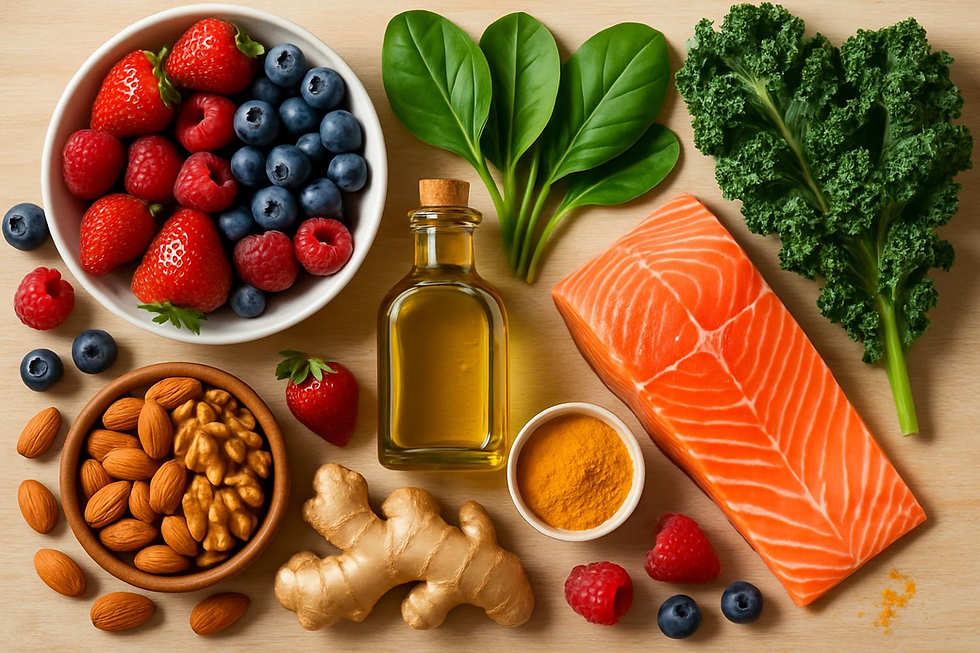
The habits that reduce chronic inflammation are often the same habits that improve performance, recovery, and healthy aging.
Inflammation Is Controlled Every Day
One of the biggest myths in health is that inflammation is controlled in the doctor's office.
It isn't.
It's largely controlled in the kitchen...
the bedroom...
the gym...
and through the hundreds of small choices we make every day.
Every meal...
Every night of sleep...
Every workout...
Every stressful meeting...
Every recovery day...
Either nudges your body toward healing or toward chronic inflammation.
The encouraging news?
Small improvements compound over time.
Food Is One of the Most Powerful Anti-Inflammatory Medicines

Inflammation doesn't begin and end with calories.
The foods we eat directly influence:
Immune activity
Gut bacteria
Blood sugar
Oxidative stress
Recovery
Many foods naturally reduce inflammatory signaling.
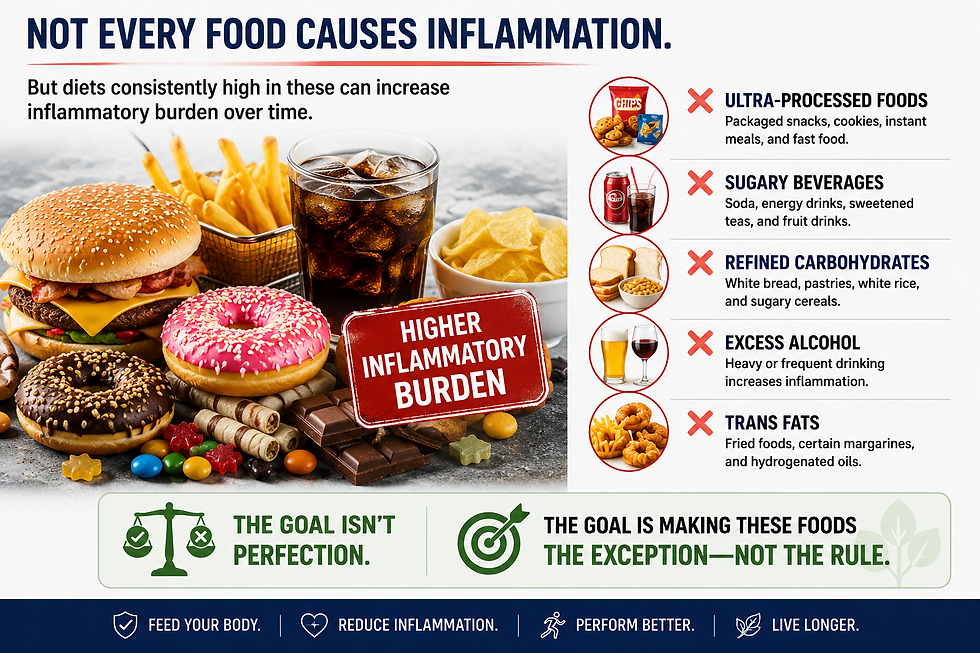
Others amplify it.
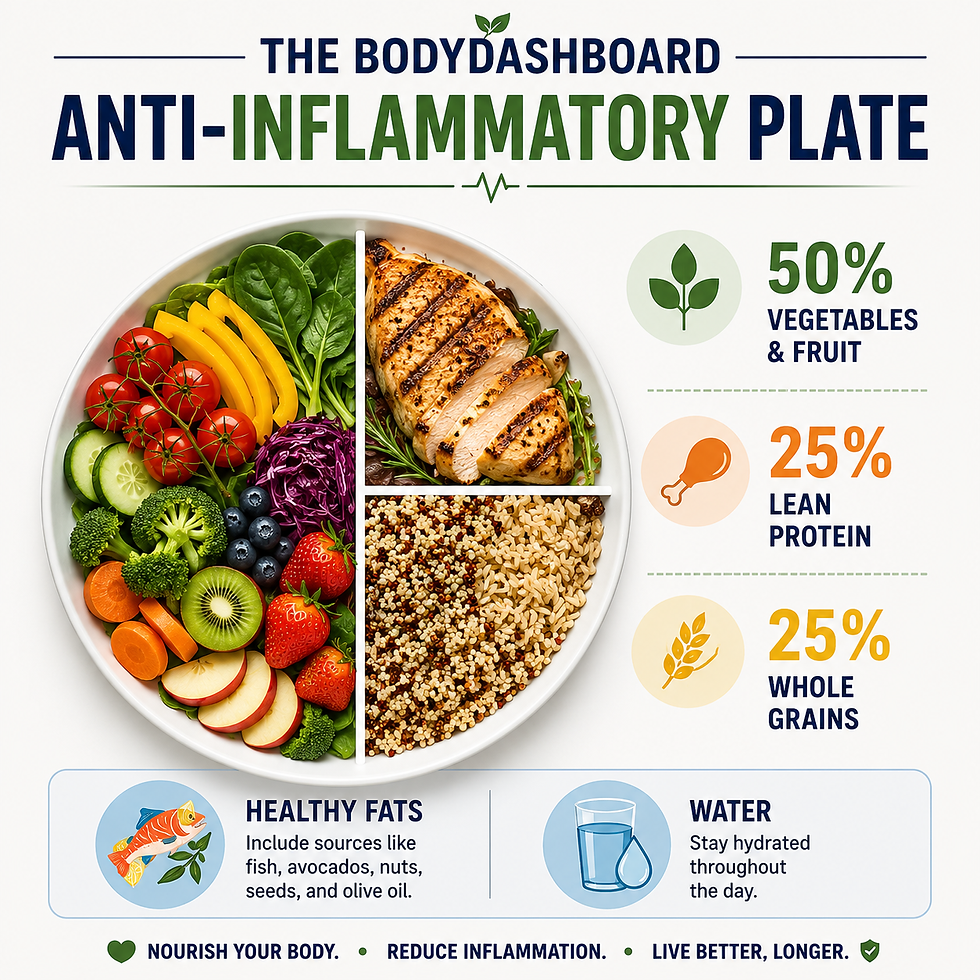
The Mediterranean Pattern
Research consistently identifies the Mediterranean diet as one of the healthiest eating patterns for reducing chronic inflammation.
It emphasizes:
🥬 Vegetables
🍓 Fruit
🫒 Olive oil
🐟 Fish
🌰 Nuts
🫘 Beans
🌾 Whole grains
These foods contain:
antioxidants
polyphenols
omega-3 fatty acids
fiber
All of which help regulate inflammatory pathways.
Foods That Help Fight Inflammation
🥬 Vegetables
Rich in antioxidants and phytonutrients.
Examples:
Spinach
Kale
Broccoli
Brussels sprouts
🍓 Fruits
Especially:
Blueberries
Strawberries
Cherries
Oranges
These help reduce oxidative stress.
🐟 Omega-3 Fatty Fish
Examples:
Salmon
Sardines
Trout
Mackerel
Omega-3 fats help balance inflammatory signaling throughout the body.
🌰 Nuts & Seeds
Excellent choices include:
Walnuts
Almonds
Chia
Flaxseed
🫒 Extra Virgin Olive Oil
One of the most studied anti-inflammatory foods.
☕ Coffee & Green Tea
When consumed appropriately, both contain compounds associated with lower inflammatory markers.
Foods That Increase Inflammation
The Gut Connection
One of the most exciting areas of inflammation research involves the gut microbiome.
Your intestines contain trillions of bacteria.
Healthy bacteria help:
regulate immunity
strengthen the intestinal barrier
reduce inflammation
Poor nutrition may disrupt this balance.
Foods that support gut health include:
yogurt
kefir
fermented vegetables
oats
beans
fruits
vegetables
Exercise Is Anti-Inflammatory
This sounds contradictory.
Exercise creates inflammation.
Yet regular exercise lowers chronic inflammation.
How?
Because repeated cycles of:
Exercise
↓
Recovery
↓
Adaptation
teach the body to regulate inflammatory responses more efficiently.
One workout increases inflammation.
Years of exercise decrease chronic inflammation.

Sleep Lowers Inflammation
Poor sleep increases:
cortisol
blood sugar
inflammatory signaling
Quality sleep does the opposite.
This is why sleep is one of the most powerful anti-inflammatory interventions available.
One poor night matters.
Hundreds of poor nights matter much more.
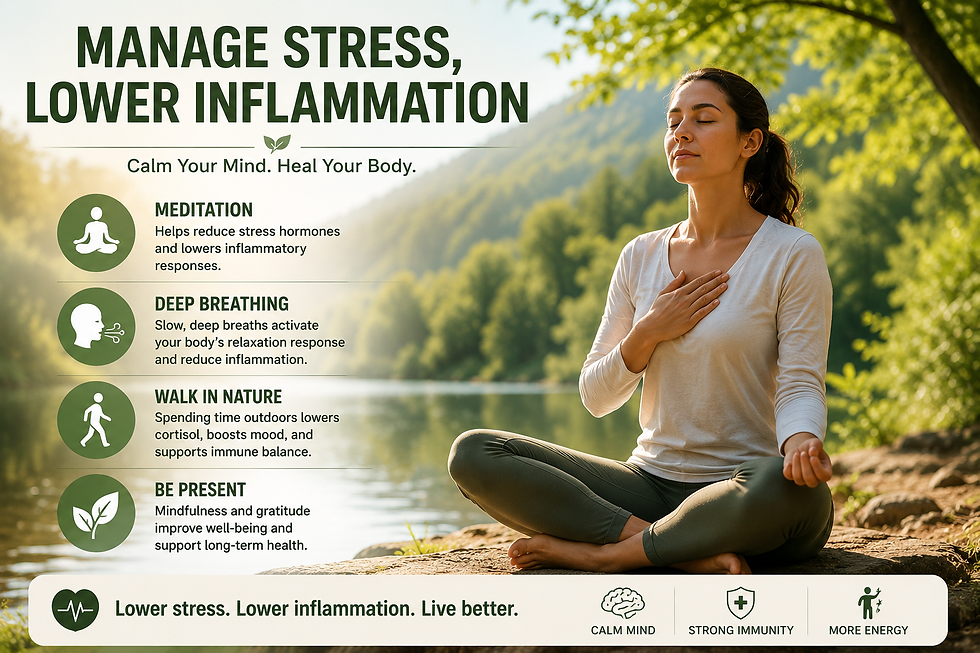
Stress Is Inflammation
Stress isn't just emotional.
It's biological.
When stress becomes chronic...
Cortisol remains elevated.
Inflammatory signaling increases.
Recovery slows.
This is why stress management belongs alongside nutrition and exercise.
Alcohol and Inflammation
Alcohol affects inflammation in several ways.
It can:
disrupt sleep
impair gut health
reduce recovery
increase oxidative stress
One drink isn't catastrophic.
Repeated heavy drinking creates a different picture.
Hydration Matters
Even mild dehydration creates physiological stress.
Hydration supports:
circulation
nutrient delivery
waste removal
temperature regulation
Small habit.
Big impact.
The Peter Attia Perspective
Peter Attia frequently discusses inflammation as one component of chronic disease.
His approach isn't to eliminate inflammation.
It's to improve the systems that regulate it:
Exercise
Nutrition
Sleep
Metabolic health
Those same habits also improve performance.
The Gabrielle Lyon Perspective
Gabrielle Lyon reminds us that healthy muscle is one of the body's best defenses against metabolic dysfunction.
Resistance training combined with adequate protein:
↓
More muscle
↓
Better glucose regulation
↓
Lower inflammatory burden
↓
Healthier aging
👤 How This Applies To You
🎓 High School
Recovery begins with:
sleep
nutrition
hydration
Not supplements.
🏫 College
Late nights and processed food often increase inflammation.
Consistency beats perfection.
💼 Adults
Small improvements made consistently over decades dramatically influence long-term health.
The BodyDashboard Anti-Inflammation Score™
Every evening, rate yourself.
Nutrition
⭐⭐⭐⭐☆
Sleep
⭐⭐⭐⭐⭐
Exercise
⭐⭐⭐⭐☆
Hydration
⭐⭐⭐⭐⭐
Stress Management
⭐⭐⭐☆☆
Overall Score
★★★★☆
Higher score
↓
Lower inflammatory burden
↓
Better recovery
↓
Higher performance
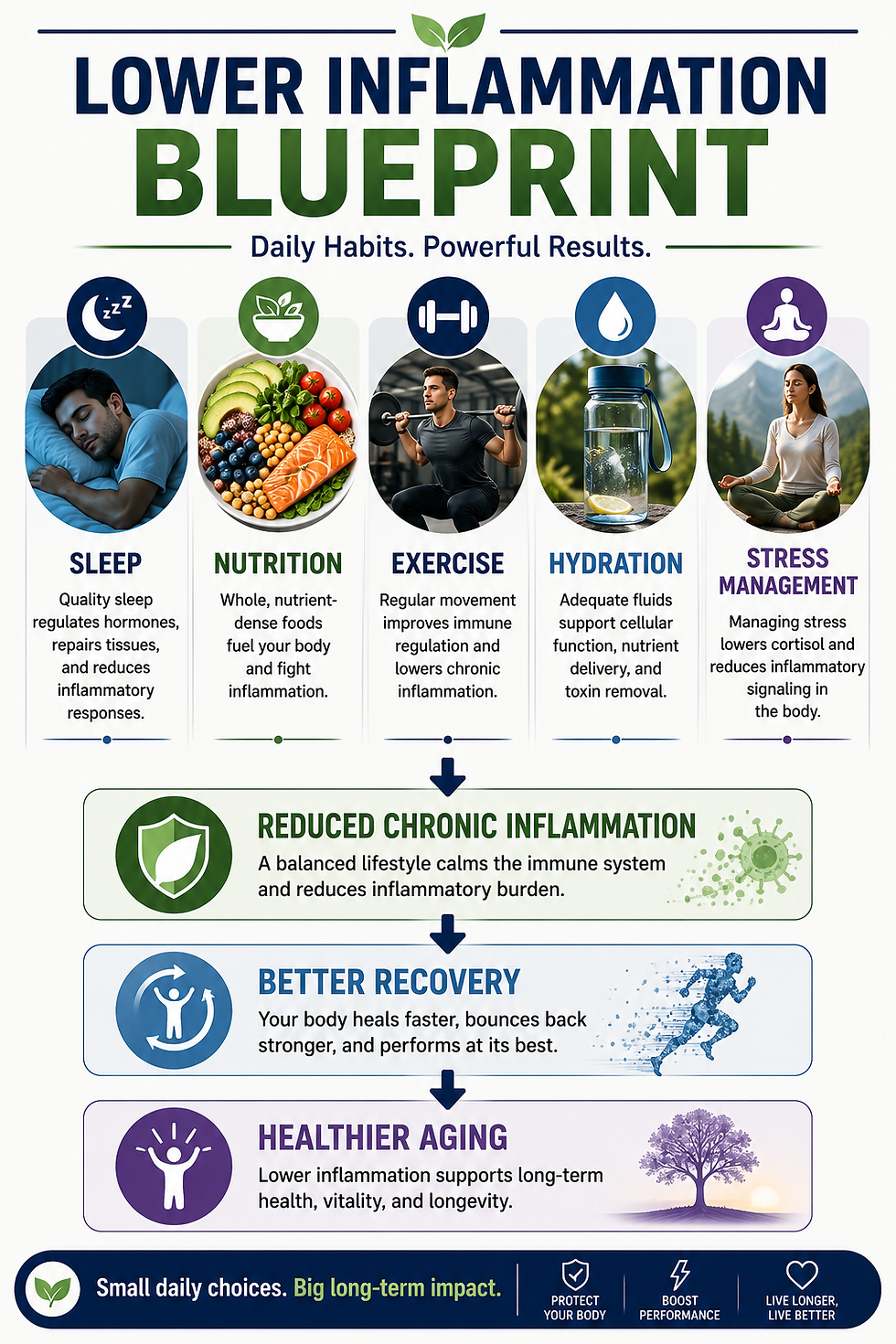
BodyDashboard Insight
You don't fight inflammation with one superfood.
You build an anti-inflammatory lifestyle.
Quick Recap
✅ Eat mostly whole foods.
✅ Prioritize vegetables and fruit.
✅ Sleep consistently.
✅ Exercise regularly.
✅ Stay hydrated.
✅ Manage stress.
✅ Limit highly processed foods.
Final Thoughts
Inflammation isn't your enemy.
It's one of your body's greatest survival tools.
The problem isn't inflammation.
The problem is when inflammation never gets the opportunity to resolve.
At BodyDashboard, we believe the goal isn't simply living longer.
It's building a body that:
recovers faster
performs better
ages healthier
The same habits that reduce inflammation also improve nearly every aspect of human performance.
That's why inflammation isn't just a health topic.
It's a performance topic.
And ultimately...
It's a longevity topic.
Continue Exploring BodyDashboard
👉 What Is VO₂ Max? Why It Matters for Your Energy, Performance, and Health
👉 Understanding Heart Rate Variability (HRV): The Ultimate Guide
👉 Why Sleep Is the Ultimate Performance Enhancer
👉 Nutrition: Fueling Performance, Recovery, and Longevity
👉 Resistance Training: The Hidden Key to Strong Bones and Lifelong Health
👉 How to Recover Faster After Workouts (Coming Soon)
References
Cleveland Clinic. Inflammation.
Harvard Health Publishing. What Is Chronic Inflammation?
Harvard Health Publishing. Understanding Acute and Chronic Inflammation.
Harvard Health Publishing. Foods That Fight Inflammation.
Mayo Clinic Press. Chronic Inflammation: What It Is, Why It's Bad, and How You Can Reduce It.
Mayo Clinic Cancer Center Blog. Want to Reduce Chronic Inflammation? Start With Your Grocery List.
Yale Medicine. How Inflammation Affects Your Health.
U.S. Department of Veterans Affairs. Eating to Reduce Inflammation.
Peter Attia, Outlive.
Gabrielle Lyon, Forever Strong.
About BodyDashboard
Understand Your Body. Improve Your Performance. Extend Your Healthspan.
BodyDashboard is a science-based platform exploring how sleep, nutrition,exercise, recovery, and physiology shape everything from daily performance to long-term health.
Built for student-athletes, fitness enthusiasts, and anyone curious about how the body actually works, BodyDashboard connects physiology research to practical, everyday decisions—helping readers improve energy, recovery, endurance, focus, resilience, and overall performance through simple, evidence-based systems.
Performance today. Health tomorrow. Longevity for life.


Comments