Inflammation: Friend and Foe. The BodyDashboard Guide to Recovery, Performance, and Long-Term Health (Part 1)

What is inflammation, and is it always bad? Learn the difference between acute and chronic inflammation, how inflammation affects performance and recovery, and why managing inflammation is essential for long-term health.
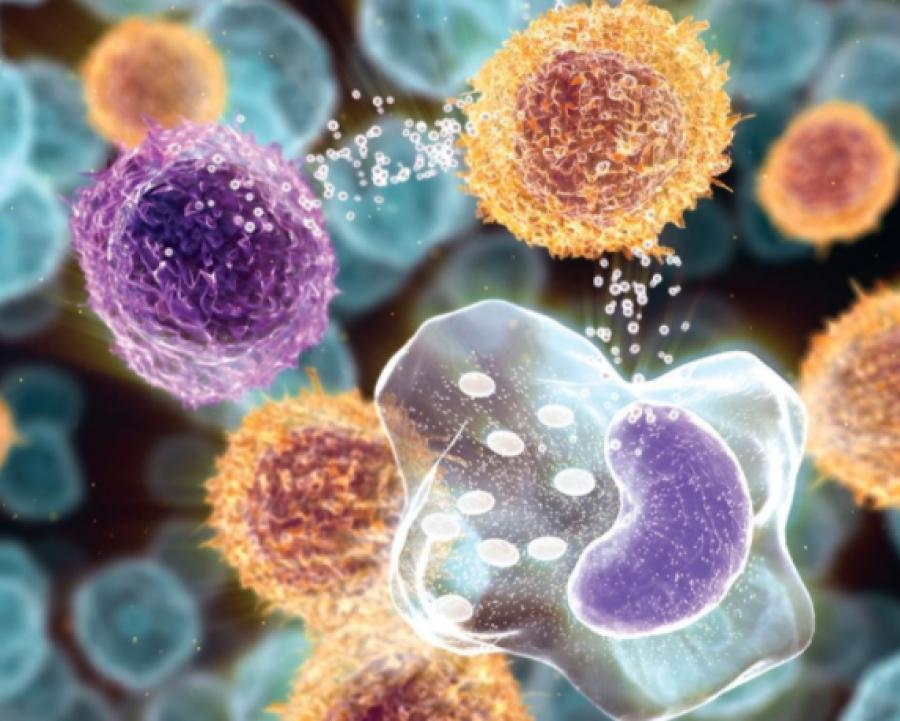
Inflammation isn't your enemy. In the right amount, it's one of your body's most powerful tools for healing and adaptation.
Understand Your Body. Improve Your Performance.
Sore after yesterday's workout?
Good.
That soreness may actually be evidence that your body is rebuilding itself stronger.
But what if that same inflammatory process never turns off?
Then the very system designed to heal you can begin working against you.
At BodyDashboard, we believe inflammation is one of the most misunderstood concepts in health and fitness.
Many people hear the word "inflammation" and immediately think:
"Inflammation is bad."
The truth is far more interesting.
Inflammation can be both your greatest ally—and your greatest enemy.
The difference depends on one simple question:
Does it turn off?
Let's read the dashboard.
What Is Inflammation?
🧬 Your Body's Built-In Repair System
Imagine cutting your finger while cooking.
Within seconds:
Blood vessels constrict.
Immune cells rush to the area.
Chemicals are released.
The damaged tissue begins repairing itself.
This entire process is inflammation.
Inflammation is not a disease.
It is a normal biological response that protects your body from injury, infection, and harmful substances.
Without inflammation...
Cuts wouldn't heal.
Broken bones wouldn't repair.
Muscles wouldn't grow stronger after exercise.
Inflammation is one of the reasons human beings survive.
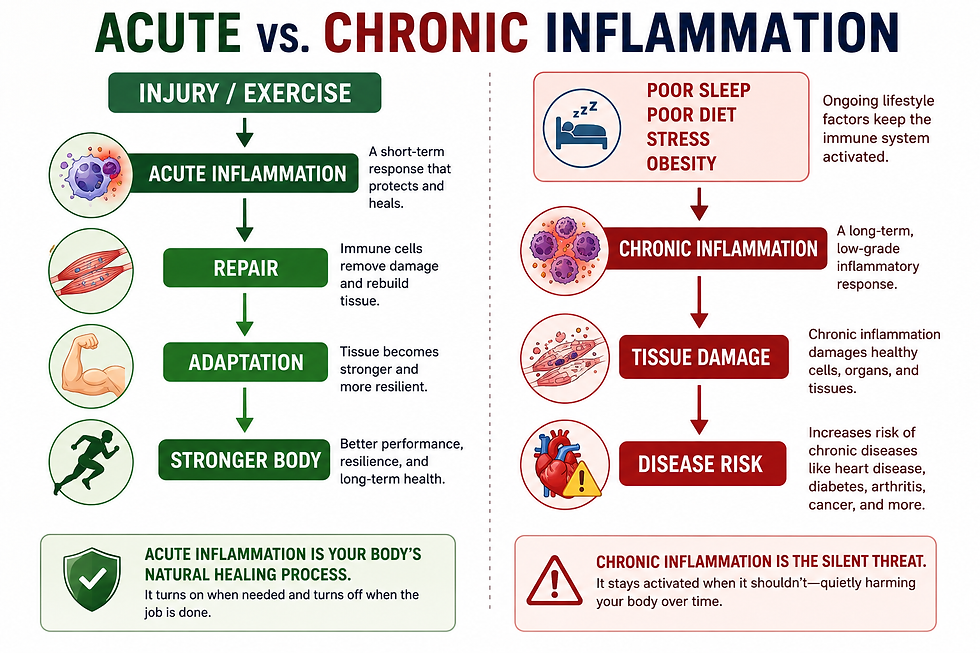
Acute inflammation is your body's natural repair system, bringing immune cells and nutrients to damaged tissue.
Acute Inflammation: Your Friend
When you exercise, something surprising happens.
Your muscles experience tiny microscopic tears.
That sounds bad.
It's actually exactly what you want.
Those tiny injuries trigger a controlled inflammatory response.
Your immune system sends specialized cells to the damaged muscle.
Those cells:
Remove damaged tissue
Stimulate repair
Build stronger muscle fibers
Prepare the body for future challenges
Without this temporary inflammation...
There would be:
No muscle growth
No improvement in strength
No training adaptation
This is why soreness after a challenging workout isn't necessarily a sign of damage.
It's often a sign that your body has begun rebuilding.
BodyDashboard Insight
Exercise doesn't make you stronger.
Recovery from exercise makes you stronger.
Inflammation is one of the first steps in that recovery process.
Chronic Inflammation: When the Alarm Never Stops
Now imagine a smoke detector.
Its purpose is to warn you when there's a fire.
That's helpful.
But imagine if it continued sounding long after the fire was gone.
Eventually...
The alarm itself becomes the problem.
That's chronic inflammation.
Instead of helping repair the body...
The inflammatory response stays activated.
This persistent, low-grade inflammation may quietly damage healthy tissues over months and years.
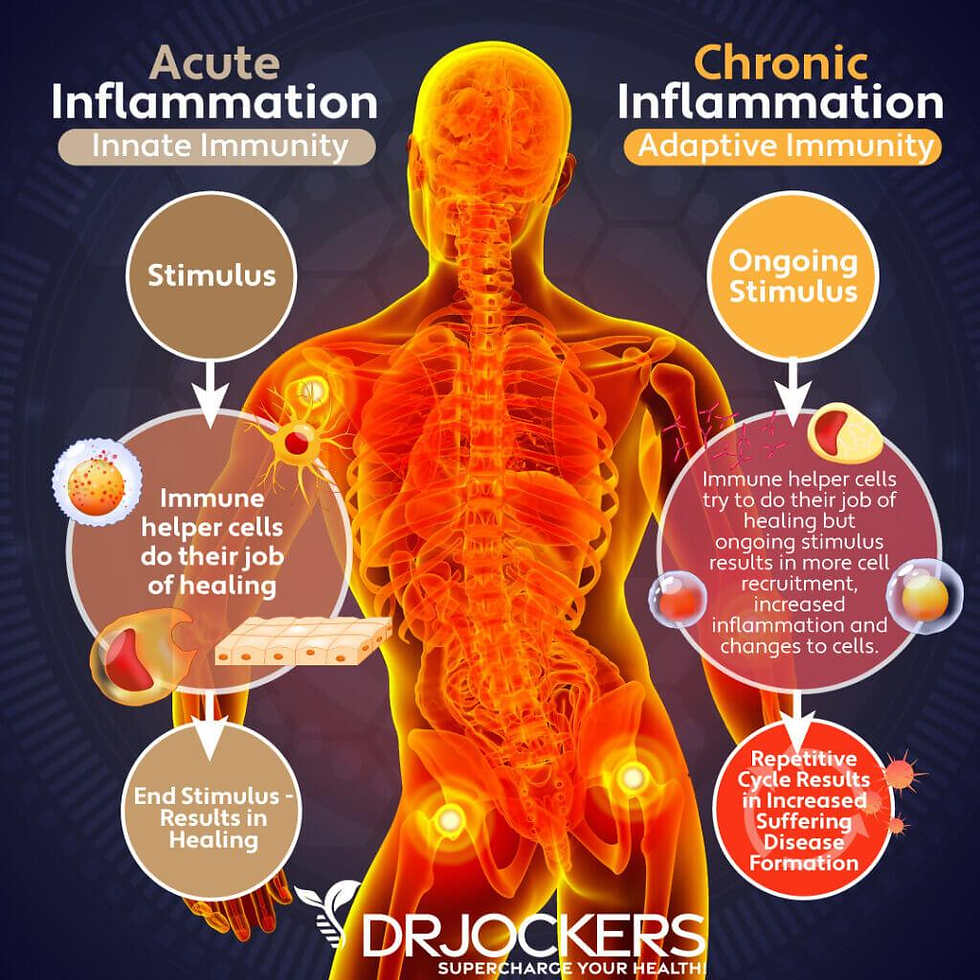
Acute inflammation resolves after healing. Chronic inflammation persists, even when there is no injury to repair.
Acute vs. Chronic Inflammation
Acute Inflammation | Chronic Inflammation |
Short-term | Long-term |
Protective | Potentially harmful |
Helps healing | Damages healthy tissue |
Triggered by injury or infection | Triggered by persistent stressors |
Essential for recovery | Linked to chronic disease |
Why Chronic Inflammation Matters
Scientists increasingly recognize chronic inflammation as one of the major drivers of modern disease.
Research has linked persistent inflammation to:
Cardiovascular disease
Type 2 diabetes
Obesity
Alzheimer's disease
Arthritis
Certain cancers
Depression
Unlike acute inflammation, chronic inflammation often produces no obvious symptoms.
It can quietly influence health for years before disease appears.
The Peter Attia Perspective
One of the central ideas in Peter Attia's Outlive is that chronic diseases don't suddenly appear.
They develop gradually over decades.
Inflammation plays an important role in many of these processes.
Rather than waiting for symptoms, Attia encourages reducing the underlying drivers of chronic disease—including chronic inflammation—through exercise, nutrition, sleep, stress management, and metabolic health.
The Gabrielle Lyon Perspective
Gabrielle Lyon takes a muscle-centric view of health.
Healthy skeletal muscle isn't simply important for movement.
It also helps regulate:
Blood sugar
Metabolism
Immune function
Inflammatory signaling
Exercise creates temporary inflammation, but stronger muscles improve the body's ability to regulate inflammation over the long term.
This is one reason resistance training is associated with healthier aging.
How This Applies to You
🎓 High School
You recover quickly—but poor sleep, junk food, and chronic stress can still increase inflammation.
Healthy habits now build resilience for decades.
🏫 College
Late nights.
Exams.
Processed food.
Alcohol.
Irregular sleep.
These factors often create a perfect storm for chronic inflammation.
💼 Adults
Modern life exposes us to continuous low-grade stress.
Managing inflammation becomes one of the most powerful investments in long-term health.
BodyDashboard Insight
The goal isn't to eliminate inflammation.
The goal is to allow inflammation to do its job—and then resolve.
Quick Recap
✅ Inflammation is a normal healing response.
✅ Acute inflammation supports muscle growth and recovery.
✅ Chronic inflammation damages healthy tissues.
✅ Exercise creates healthy, temporary inflammation.
✅ Recovery allows inflammation to resolve.
✅ Long-term health depends on balancing both.
Coming Up in Part 2A
We'll explore:
Exercise and inflammation
HRV and inflammation
Sleep and inflammation
Cortisol and stress
Recovery timing
Why overtraining increases inflammation
How elite athletes recover faster
Continue Exploring BodyDashboard
👉 What Is VO₂ Max? Why It Matters for Your Energy, Performance, and Health
👉 Understanding Heart Rate Variability (HRV): The Ultimate Guide
👉 Why Sleep Is the Ultimate Performance Enhancer
👉 Nutrition: Fueling Performance, Recovery, and Longevity
👉 Resistance Training: The Hidden Key to Strong Bones and Lifelong Health
References
Cleveland Clinic. Inflammation.
Harvard Medical School. Understanding Acute and Chronic Inflammation.
Harvard Medical School. What Is Chronic Inflammation?
Mayo Clinic. Chronic Inflammation: What It Is, Why It's Bad, and How You Can Reduce It.
Yale Medicine. How Inflammation Affects Your Health.
Outlive.
Forever Strong.
About BodyDashboard
Understand Your Body. Improve Your Performance. Extend Your Healthspan.
BodyDashboard is a science-based platform exploring how sleep, nutrition, exercise, recovery, and physiology shape everything from daily performance to long-term health.
Built for student-athletes, fitness enthusiasts, and anyone curious about how the body actually works, BodyDashboard connects physiology research to practical, everyday decisions—helping readers improve energy, recovery, endurance, focus, resilience, and overall performance through simple, evidence-based systems.
Performance today. Health tomorrow. Longevity for life.


Comments