Monitoring Athletic Performance in the Digital Age: A Guide to Digital Athlete Monitoring

In today’s fast-paced world, keeping track of athletic performance has evolved far beyond the stopwatch and notebook. With the rise of technology, digital athlete monitoring has become a game-changer for anyone serious about improving fitness and health. Whether you’re a student-athlete aiming to break personal records or a fitness enthusiast looking to optimize workouts, understanding how to monitor your performance digitally can unlock new levels of success.
Let’s dive into how technology is reshaping athletic monitoring, the tools available, and practical tips to make the most of this digital revolution.
What Is Digital Athlete Monitoring and Why Does It Matter?
Digital athlete monitoring refers to the use of technology to track, analyze, and improve athletic performance. This can include wearable devices, smartphone apps, and software platforms that collect data on everything from heart rate and sleep patterns to movement efficiency and recovery times.
Why is this important? Because data-driven insights allow you to train smarter, not just harder. Instead of guessing how your body is responding, you get clear feedback. This helps prevent injuries, optimize training loads, and improve overall performance.
For example, a wearable heart rate monitor can tell you if you’re pushing too hard during a run or if you need more rest. GPS trackers can map your routes and pace, helping you identify areas for improvement. Sleep trackers reveal if you’re getting enough rest to recover fully.
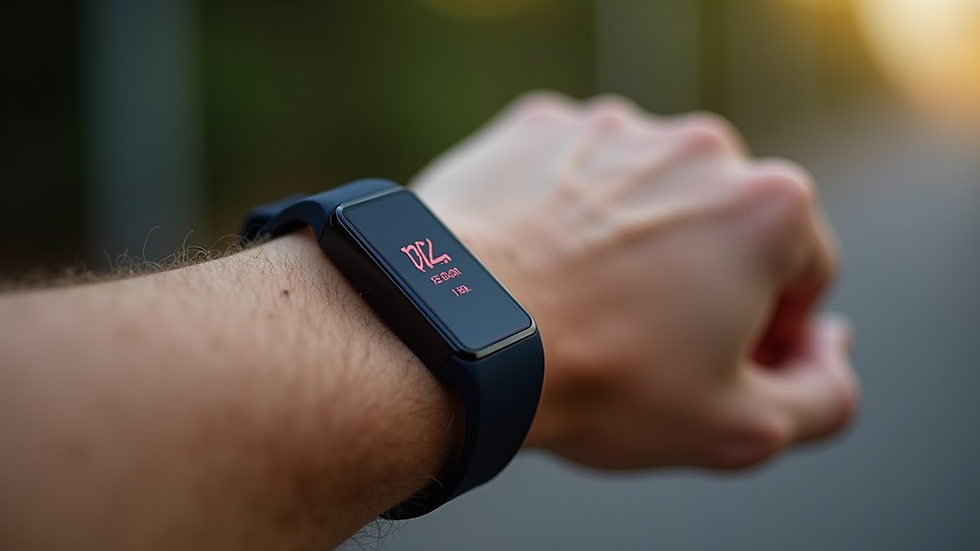
By embracing digital athlete monitoring, you’re essentially giving yourself a personal coach who never sleeps and always has the facts.
Key Technologies in Digital Athlete Monitoring
The tools available today are diverse and increasingly accessible. Here are some of the most popular technologies used for monitoring athletic performance:
Wearable Devices: These include smartwatches, fitness bands, and chest straps that measure heart rate, steps, calories burned, and more. Advanced models track oxygen saturation, stress levels, and even hydration.
GPS Trackers: Perfect for runners, cyclists, and outdoor athletes, GPS devices map your routes, speed, and elevation changes.
Motion Sensors and Accelerometers: These sensors analyze movement patterns, helping identify inefficiencies or risks of injury.
Mobile Apps: Many apps sync with wearables or use your phone’s sensors to track workouts, nutrition, and recovery.
Video Analysis Software: Coaches and athletes use video tools to break down technique frame by frame, improving form and reducing injury risk.
The beauty of these technologies is that they can be tailored to your specific sport or fitness goals. For instance, a swimmer might focus on stroke rate and lap times, while a weightlifter tracks power output and rest intervals.
How to Use Digital Athlete Monitoring Effectively
Having the tools is just the first step. To truly benefit, you need a strategy for using the data wisely. Here are some practical tips:
Set Clear Goals
Define what you want to achieve. Are you training for endurance, speed, strength, or recovery? Your goals will guide which metrics to focus on.
Track Consistently
Regular data collection is key. Sporadic tracking won’t give you the trends needed to make informed decisions.
Analyze Trends, Not Just Numbers
Look for patterns over days and weeks. For example, if your resting heart rate is rising over time, it might indicate fatigue or illness.
Adjust Training Based on Data
Use insights to tweak your workouts. If recovery metrics show you’re not bouncing back well, consider adding rest days or lighter sessions.
Combine Data with How You Feel
Technology is powerful, but it doesn’t replace listening to your body. Use data as a guide, not a rulebook.
Stay Educated
Understanding the science behind the metrics helps you interpret data correctly. Resources like an online athlete health blog can be invaluable for learning.
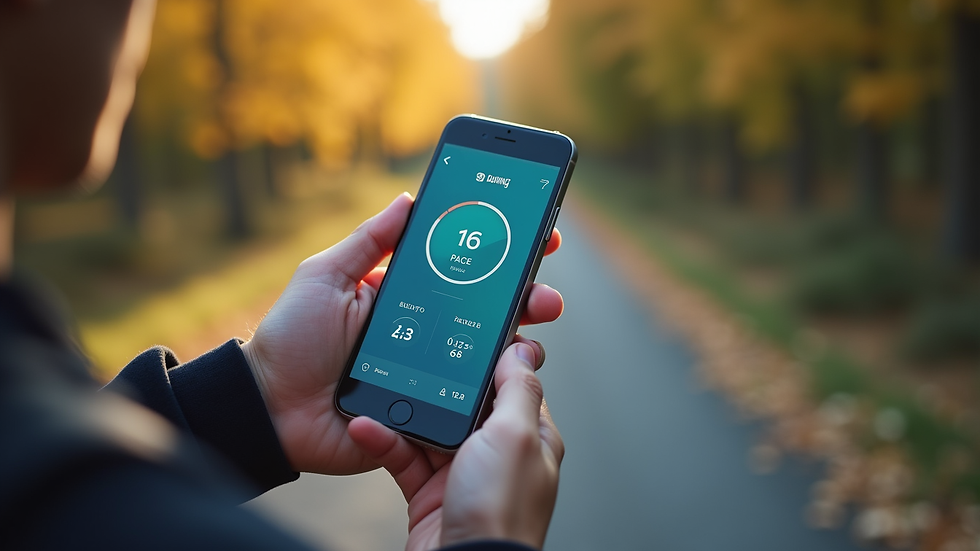
By following these steps, you turn raw data into actionable insights that enhance your training and performance.
The Science Behind Monitoring: What Metrics Matter Most?
Not all data points are created equal. Some metrics provide more meaningful insights depending on your sport and goals. Here’s a breakdown of key physiological markers and why they matter:
Heart Rate (HR)
Your heart rate reflects cardiovascular effort. Monitoring resting HR, maximum HR, and HR variability (HRV) can indicate fitness level and recovery status.
VO2 Max
This measures the maximum oxygen your body can use during intense exercise. It’s a gold standard for aerobic fitness.
Lactate Threshold
The point at which lactic acid builds up faster than your body can clear it. Training near this threshold improves endurance.
Sleep Quality
Recovery happens during sleep. Tracking sleep stages and duration helps ensure you’re ready for the next workout.
Step Count and Movement Efficiency
For runners and walkers, step count and cadence can influence injury risk and performance.
Power Output
In cycling and weightlifting, power meters measure the force you generate, helping optimize training intensity.
Understanding these metrics allows you to tailor your training scientifically. For example, if your HRV drops, it might be a sign to reduce training intensity to avoid overtraining.
Overcoming Challenges in Digital Athlete Monitoring
While digital monitoring offers many benefits, it’s not without challenges. Here are some common hurdles and how to overcome them:
Data Overload
It’s easy to get overwhelmed by the sheer amount of data. Focus on a few key metrics that align with your goals.
Accuracy Issues
Not all devices are perfectly accurate. Use them as guides rather than absolute measures.
Privacy Concerns
Be mindful of where your data is stored and who has access. Choose reputable platforms with strong privacy policies.
Cost
High-end devices can be expensive. Start with affordable options and upgrade as needed.
Motivation
Tracking can sometimes feel like a chore. Make it fun by setting challenges or sharing progress with friends.
By addressing these challenges, you can maintain a sustainable and effective monitoring routine.
Looking Ahead: The Future of Digital Athlete Monitoring
The future of athletic performance monitoring is bright and full of exciting possibilities. Advances in artificial intelligence and machine learning are making it possible to predict injuries before they happen and personalize training plans with unprecedented precision.
Imagine a world where your digital coach not only tracks your stats but also understands your mood, nutrition, and stress levels to provide holistic advice. Integration with virtual reality could allow immersive training experiences tailored to your needs.
As technology continues to evolve, staying informed and adaptable will be key to maximizing your athletic potential.
Empowering Your Journey with Digital Tools
Embracing digital athlete monitoring is like having a compass in the vast sea of fitness. It guides you, helps you avoid hidden reefs, and points you toward your destination with clarity.
Remember, the goal is to use technology as a tool to enhance your natural abilities and knowledge. By combining data with your intuition and dedication, you can unlock new heights in your athletic journey.
Comparison of some popular wearable devices (2026)
Feature | Apple Watch Ultra | WHOOP 5.0 | Oura Ring 4 | Hume Band |
Heart Rate | Yes | Yes | Yes | Yes |
HRV | Yes | Excellent | Excellent | Yes |
Sleep Stages | Very Good | Excellent | Excellent | Excellent |
Recovery Score | Via apps | Excellent | Excellent | Excellent |
Stress Tracking | Good | Excellent | Excellent | Excellent |
Skin Temperature | Yes | Yes | Yes | Yes |
SpO₂ | Yes | Yes | Yes | Yes |
Workout Tracking | Excellent | Excellent | Good | Good |
GPS | Excellent | Limited | No | No |
ECG | Yes | No* | Limited | No |
Body Composition | No | No | No | Integrates with Hume Pod |
Biological Age | Limited | No | Yes | Yes |
Longevity Metrics | Limited | No | Moderate | Major focus |
Subscription Required | No | Yes | Yes | No (core features) |
Battery | 1–3 days | ~14 days | ~7–8 days | ~4–7 days |
*Some WHOOP tiers include additional health features.
What Hume Band Actually Tracks
The Hume Band tracks:
Heart rate
Heart rate variability (HRV)
Sleep duration
Sleep stages
Recovery
Stress
Skin temperature
Blood oxygen (SpO₂)
Activity and strain
Proprietary "Metabolic Momentum"
Proprietary "Metabolic Capacity"
Biological age estimates
Longevity-focused health trends
This makes it much more comparable to WHOOP and Oura than to a body-fat scale.
The Real Positioning
WHOOP
Question answered:"Can I train hard today?"
Focus:
Recovery
Athletic performance
Training load
Exercise optimization
Best for:
Competitive athletes
Runners
Cyclists
Serious lifters
Oura
Question answered:"How well is my body recovering?"
Focus:
Sleep
Readiness
Stress
General wellness
Best for:
Professionals
Frequent travelers
People prioritizing sleep
Hume Band
Question answered:"Are my habits improving my long-term health?"
Focus:
Recovery
Sleep
Stress
Metabolic health
Biological age
Longevity
Best for:
Health optimization
Longevity enthusiasts
Peter Attia–style tracking
People who dislike subscriptions
The biggest differentiator is that Hume emphasizes metabolic health, biological age, and long-term health trajectory rather than athletic performance.
Cost Comparison
Device | Initial Cost | Ongoing Cost |
Apple Watch Ultra | ~$799–899 | None |
WHOOP | Included | ~$199–399/year |
Oura Ring | ~$349–499 | ~$6/month |
Hume Band | ~$200–350 | None required |
One of Hume's strongest selling points is that core tracking is available without a mandatory subscription. WHOOP remains the most expensive over time.
Accuracy Ranking
Sleep Tracking
Oura
WHOOP
Hume Band
Apple Watch
Athletic Recovery
WHOOP
Oura
Hume Band
Apple Watch
Longevity / Health Optimization
Hume Band
Oura
Apple Watch
WHOOP
Sports Performance
WHOOP
Apple Watch Ultra
Oura
Hume Band
Smartwatch Functionality
Apple Watch
Everyone else (not close)
If I Were Buying Today
Serious endurance athlete
🥇 WHOOP
Busy physician/executive
🥇 Oura Ring
Longevity enthusiast (Attia/Lyon mindset)
🥇 Hume Band
One device only
🥇 Apple Watch Ultra
Best overall health stack
🥇 Apple Watch Ultra + Hume Band
Why? Apple Watch provides:
ECG
Arrhythmia detection
GPS workouts
Safety features
Notifications
Hume Band provides:
Recovery
HRV
Sleep
Stress
Biological age
Metabolic momentum
Longevity coaching
Those two complement each other extremely well, while avoiding the recurring subscription costs of WHOOP and Oura. For a Body Dashboard audience focused on sleep, recovery, exercise, and long-term healthspan, Hume Band is probably the most interesting newcomer because it is trying to connect wearable data directly to the longevity concepts popularized by people like Peter Attia and Gabrielle Lyon.
Buy Links
Apple Watch
Official store:
WHOOP
Official store:
Oura Ring
Official store:
Hume Band
Official store:
For ongoing tips, research updates, and practical advice, consider following an online athlete health blog that translates complex science into everyday language.
Your body is your dashboard - keep it tuned, monitored, and ready for the road ahead.


Comments