Resistance Training: The Hidden Key to Strong Bones and Lifelong Health (BodyDashboard Breakdown)

Learn how resistance training improves bone density, reduces fracture risk, prevents osteoporosis, and supports long-term health. Discover why lifting weights may be one of the most important investments you can make in your future.
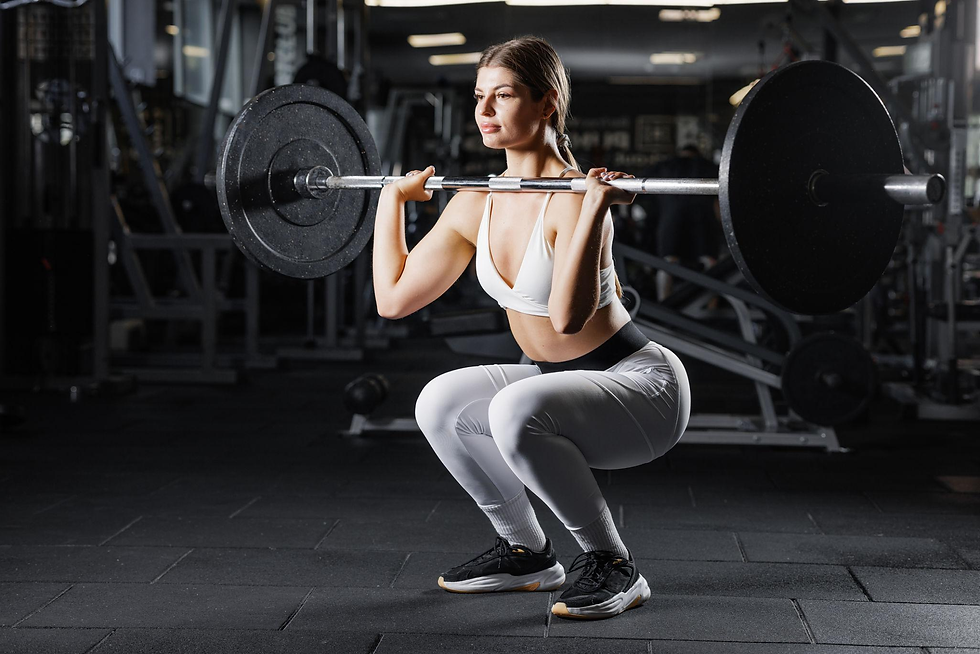
Resistance training does more than build muscle—it stimulates the skeletal system to become stronger and more resilient.
Understand Your Body. Improve Your Performance.
Think resistance training is only about building muscle? Think again.
Welcome to your BodyDashboard update.
Most people associate weightlifting with stronger muscles, improved athletic performance, or better body composition.
What many don't realize is that every time you lift a weight, you're also training another critical organ system:
Your skeleton.
Just as muscles adapt to stress by becoming stronger, bones respond to stress by becoming denser and more resilient.
This process is one of the most powerful tools available to prevent osteoporosis, reduce fracture risk, and maintain independence as we age.
Let's read the dashboard.
Why Bone Health Matters More Than You Think
Bones are living tissue.
They are constantly being broken down and rebuilt.
During childhood and adolescence, bones grow rapidly and become stronger. In fact, approximately 85–90% of adult bone mass is acquired by age 18 in girls and age 20 in boys. Building strong bones early creates a foundation that lasts a lifetime.
Unfortunately, bone strength naturally declines with age.
This decline becomes especially important because osteoporosis affects millions of people.
According to the Bone Health & Osteoporosis Foundation:
More than 10 million Americans have osteoporosis
More than 43 million have low bone mass
One in two women will experience an osteoporosis-related fracture
Up to one in four men will experience an osteoporosis-related fracture
The consequences can be devastating.
Among adults over age 50 who suffer a hip fracture:
24% die within one year
Half never regain their previous level of function
Many lose their independence permanently
What Is Bone Density?
🦴 Bone Density Explained
Bone mineral density (BMD) measures how much calcium and other minerals are packed into your bones.
Generally speaking:
Higher bone density = stronger bones
Lower bone density = higher fracture risk
Bone density isn't the entire story.
Healthy bones also require:
Collagen
Structural proteins
Proper remodeling
However, bone density remains one of the strongest predictors of fracture risk and overall skeletal health.
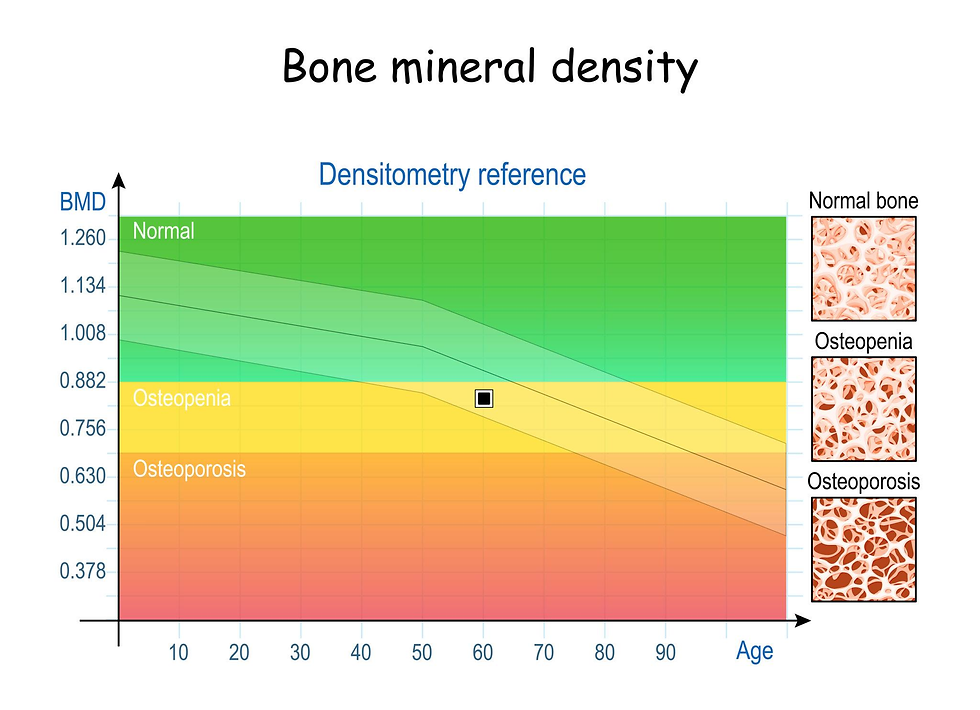
Healthy bone contains a dense network of mineralized tissue, while osteoporotic bone becomes thinner and more fragile.
The Science: How Resistance Training Strengthens Bones
Your Bones Respond to Stress
Just like muscles grow stronger after being challenged, bones adapt when subjected to mechanical loading.
When you perform resistance exercises:
Muscles pull on bones
Bones experience stress
Bone-forming cells receive signals
New bone tissue is created
This process is called bone remodeling.
The result:
✅ Stronger bones
✅ Increased bone density
✅ Reduced fracture risk
Research consistently demonstrates that resistance training can slow age-related bone loss and, in many cases, increase bone density.

When muscles pull against bone during resistance training, bone-forming cells receive signals to increase density and strength.
Why Resistance Training Is Superior for Bone Health
Walking and jogging help bone health.
However, resistance training provides unique benefits.
According to Harvard Health Publishing, resistance training specifically targets areas most vulnerable to fracture:
Spine
Hips
Wrists
These are also the locations where osteoporosis-related fractures most commonly occur.
Resistance training additionally improves:
Balance
Stability
Coordination
Confidence
These improvements reduce fall risk—another major contributor to fractures later in life.
The Best Exercises for Building Bone Density
Not all exercises provide the same skeletal stimulus.
Research suggests that large compound movements provide the greatest benefit because they place substantial load through the skeleton.
🏋️ Squats
Hips
Spine
Lower body
🏋️ Deadlifts
Spine
Hips
Posterior chain
🏋️ Lunges
Hip stability
Lower body loading
🏋️ Overhead Presses
Spine
Upper body skeletal loading
🏋️ Step-Ups
Lower body strength
Functional movement
Research suggests these exercises may be particularly effective for increasing density in the hips and spine.
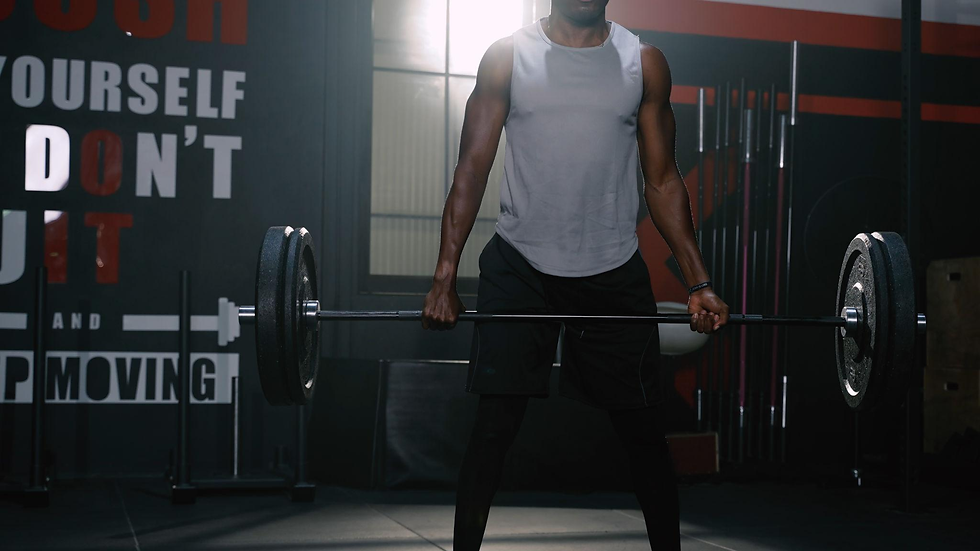
Compound exercises place substantial load through the skeleton and provide some of the strongest bone-building stimuli available.
Progressive Overload: The Secret Ingredient
Simply lifting weights isn't enough.
Your bones must continue receiving progressively greater stimulus.
This concept is called:
Progressive Resistance Training
Over time:
Increase weight
Increase challenge
Continue adaptation
As your muscles become stronger, they pull harder on your bones.
Your skeleton responds by becoming stronger as well.
Heavy Weights vs Light Weights
Research suggests heavier loads generally produce greater skeletal adaptations.
Heavy Weights (3–8 Reps)
✅ Greater skeletal loading✅ Higher bone stimulus✅ Better density improvements
Light Weights (15–20 Reps)
✅ Muscular endurance✅ General fitness❌ Less bone stimulus
BodyDashboard Insight
Bone adapts slowly. Consistency over months matters more than intensity over days.
👤 How This Applies to You
🎓 High School
Your teenage years are the most important bone-building years of your life.
The stronger your skeleton becomes now, the greater your protection against osteoporosis decades later.
🏫 College
Every squat, deadlift, and lunge is helping build your future skeleton.
💼 Adults
Resistance training is one of the few interventions proven to simultaneously:
Preserve muscle
Improve bone density
Reduce falls
Support longevity
The Attia and Lyon Perspective
In Outlive, Peter Attia emphasizes preparing for the future version of yourself.
Can you:
Climb stairs comfortably?
Get off the floor independently?
Carry groceries without assistance?
Strong bones are essential to answering "yes."
Similarly, Gabrielle Lyon argues in Forever Strong that muscle is one of the body's most important organs of longevity.
Muscle and bone function together.
When muscle becomes stronger:
Bone receives greater stimulus
Skeletal health improves
Functional capacity improves
Strength training therefore becomes both a performance tool and a longevity strategy.

Strength training supports both performance today and independence later in life.
THE BONE STRENGTH CYCLE
RESISTANCE TRAINING
↓
MUSCLE CONTRACTION
↓
BONE LOADING
↓
BONE REMODELING
↓
HIGHER BONE DENSITY
↓
LOWER FRACTURE RISK
↓
GREATER INDEPENDENCE
BodyDashboard Insight
Every time you lift a weight, you're not just training your muscles.
You're investing in the future strength of your skeleton.

The goal of resistance training isn't simply building muscle—it is preserving mobility, strength, and independence throughout life.
Quick Recap
✅ Bones are living tissue
✅ Bone density naturally declines with age
✅ Resistance training stimulates bone remodeling
✅ Squats and deadlifts are especially effective
✅ Progressive overload is essential
✅ Strong muscles help create strong bones
✅ Better bone density reduces fracture risk and supports lifelong independence
Final Thoughts
Many people begin lifting weights to improve how they look.
The real benefit may be far more important.
Resistance training helps build a stronger skeleton, reduce future fracture risk, maintain independence, and improve quality of life for decades to come.
At BodyDashboard, we believe exercise should be viewed through two lenses:
Performance today. Health tomorrow. Longevity for life.
Few habits accomplish all three better than resistance training.
Because understanding your body is the first step toward improving it.
Related BodyDashboard Articles
What Is VO₂ Max? Why It Matters for Your Energy, Performance, and Health
Why Sleep Is the Ultimate Performance Enhancer
Nutrition: Fueling Performance, Recovery, and Longevity
Why Muscle Is the Organ of Longevity (Coming Soon)
How to Build the Perfect Night Routine for Recovery (Coming Soon)
References
Bennett, H. (2025). Does Weightlifting Improve Bone Density? The Conversation.
Bone Health & Osteoporosis Foundation. Osteoporosis Fast Facts.
Harvard Health Publishing. (2026). Strength Training Builds More Than Muscles.
Harvard Medical School. (2021). Slowing Bone Loss with Weight-Bearing Exercise.
Mayo Clinic. (2025). Exercising with Osteoporosis: Stay Active the Safe Way.
Royal Osteoporosis Society. (2025). Exercise for Bones.
Sarafrazi, N., et al. (2021). Osteoporosis or Low Bone Mass in Older Adults: United States, 2017–2018.
About BodyDashboard
Understand Your Body. Improve Your Performance. Extend Your Healthspan.
BodyDashboard is a science-based platform exploring how sleep, nutrition, exercise, recovery, and physiology shape everything from daily performance to long-term health.
Built for student-athletes, fitness enthusiasts, and anyone curious about how the body actually works, BodyDashboard connects physiology research to practical, everyday decisions—helping readers improve energy, recovery, endurance, focus, and overall performance through simple, evidence-based systems.
Performance today. Health tomorrow. Longevity for life.


Comments