Why Sleep Is the Ultimate Performance Enhancer (BodyDashboard Breakdown)

Discover why sleep is the most powerful performance enhancer available. Learn how sleep affects athletic performance, recovery, energy, focus, metabolism, and long-term health.
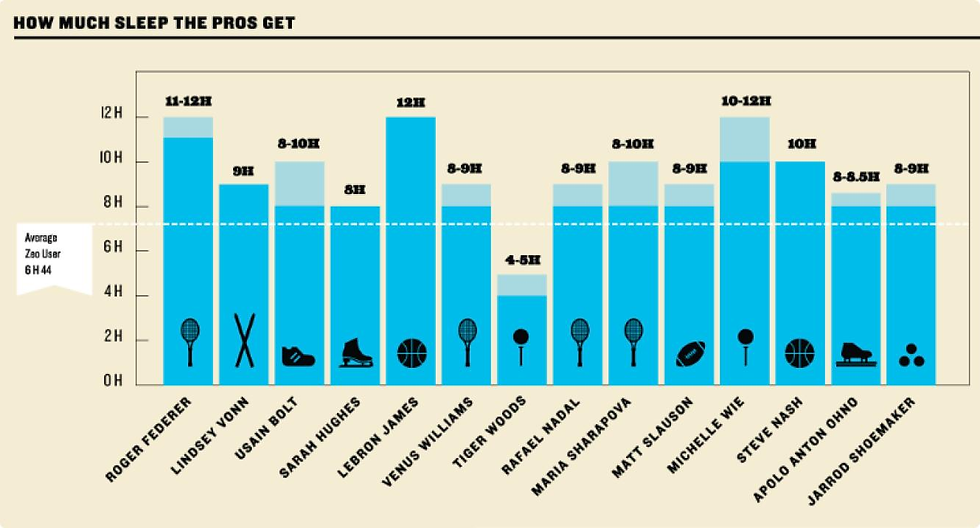
Sleep is the foundation upon which recovery, performance, and long-term health are built.
Why Sleep Is the Ultimate Performance Enhancer
Always tired, struggling to focus, or feeling like your workouts aren't paying off?
Welcome to your BodyDashboard update.
Today we're exploring the most underrated performance tool available—sleep.
Most people focus on training harder, eating cleaner, or buying new supplements. Yet one of the most powerful drivers of performance, recovery, and long-term health is something we do every night.
Sleep.
Whether you're a high school athlete preparing for competition, a college student balancing classes and workouts, or an adult trying to optimize energy and health, sleep may be the single most important factor affecting how you feel and perform.
Let's read the dashboard.
Sleep: The Foundation of Human Performance
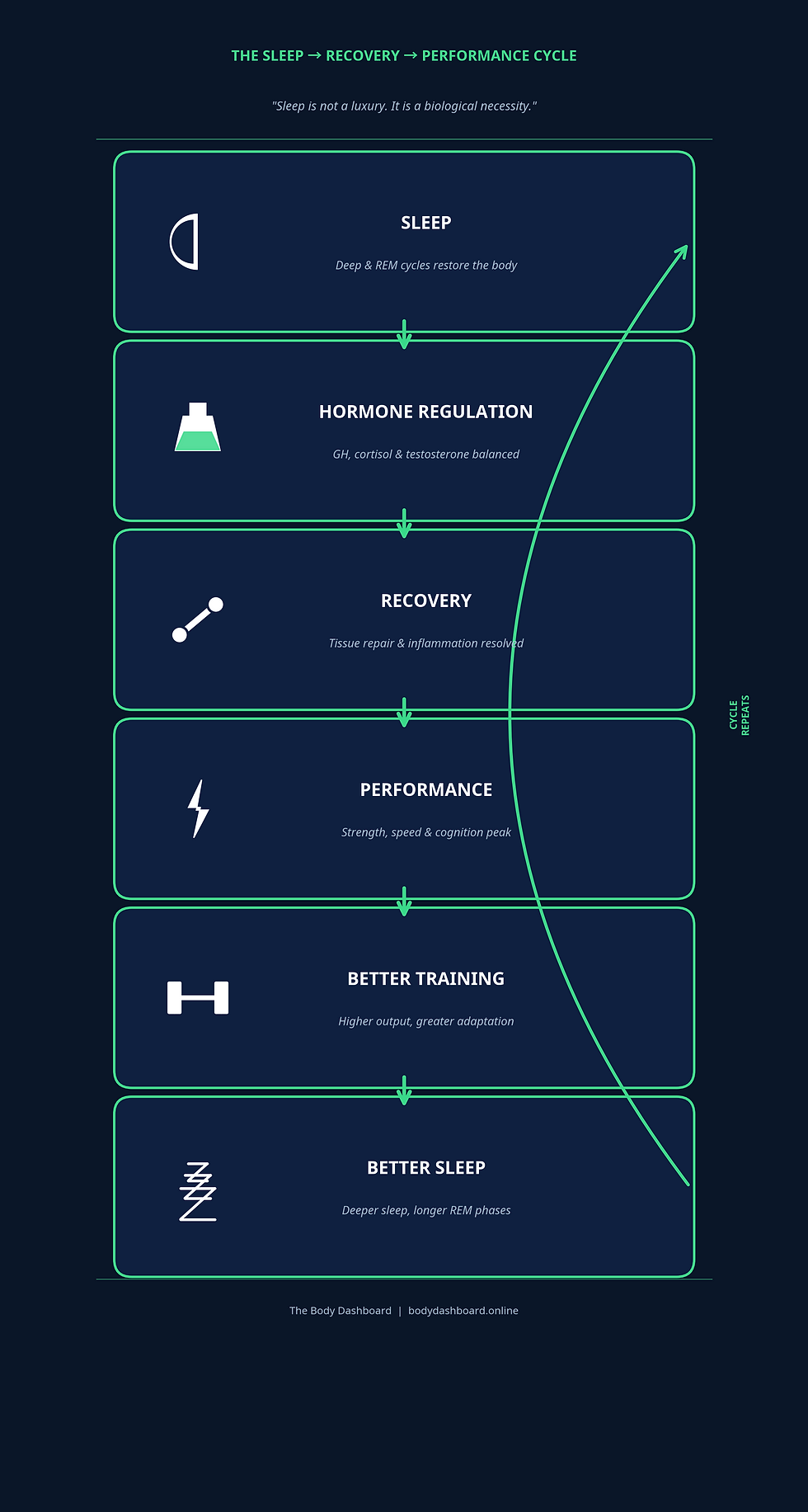
Sleep isn't simply a period of rest.
It is an active biological process during which the body repairs tissues, consolidates memories, regulates hormones, restores energy stores, and prepares for the demands of the next day.
When sleep is compromised, nearly every system in the body suffers.
In the short term, poor sleep can impair:
Focus
Learning
Mood
Reaction time
Judgment
In the long term, chronic sleep deprivation has been linked to:
Obesity
Diabetes
Heart disease
Depression
Reduced life expectancy
Sleep is not a luxury.
It is a biological necessity.
How Sleep Impacts Athletic Performance

Athletes often look for marginal gains.
The reality is that sleep may provide one of the largest performance advantages available.
Research consistently demonstrates that adequate sleep improves:
Reaction time
Endurance
Sprint performance
Strength
Accuracy
Decision making
Cognitive function
Conversely, sleep deprivation reduces physical and mental performance across nearly every measure studied.
One study found that athletes who increased sleep demonstrated improvements in sprint times, reaction speed, and sport-specific accuracy.
In sports where milliseconds matter, sleep can be the difference between winning and losing.
How This Applies to You
High School Athletes
Balancing school, sports, social commitments, and screen time often leads to chronic sleep restriction.
You may feel:
Constant fatigue
Difficulty focusing in class
Slower recovery after practices
Many student-athletes train hard but unknowingly sabotage performance through poor sleep habits.
College Students
College presents a perfect storm for sleep disruption.
Late-night studying, social events, early classes, and demanding athletic schedules can quickly accumulate sleep debt.
The result?
Lower academic performance, reduced athletic output, and higher stress levels.
Adults
Many adults view sleep as negotiable.
Work obligations, family responsibilities, and technology often push bedtime later and later.
Unfortunately, reduced sleep often manifests as:
Lower energy
Weight gain
Reduced productivity
Increased risk of chronic disease
Sleep Is When Recovery Happens
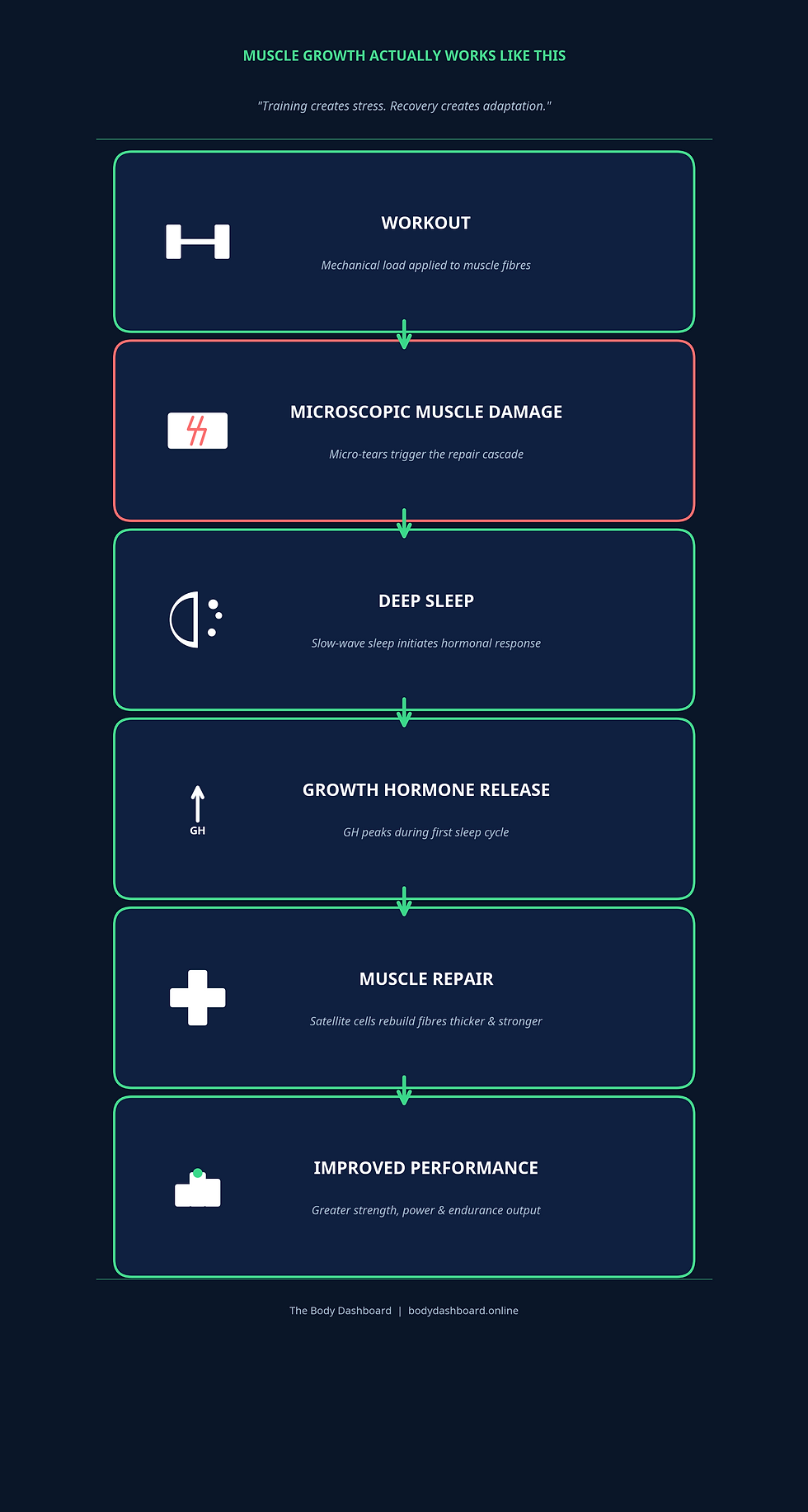
Many people think muscles grow during workouts.
They don't.
Training creates stress.
Recovery creates adaptation.
During deep sleep, the body releases growth hormone, one of the most important hormones involved in:
Muscle repair
Tissue regeneration
Recovery from exercise
Metabolic health
Without adequate sleep, recovery becomes incomplete.
This means:
More soreness
Slower adaptation
Increased inflammation
Greater risk of overtraining
You cannot out-train poor recovery.
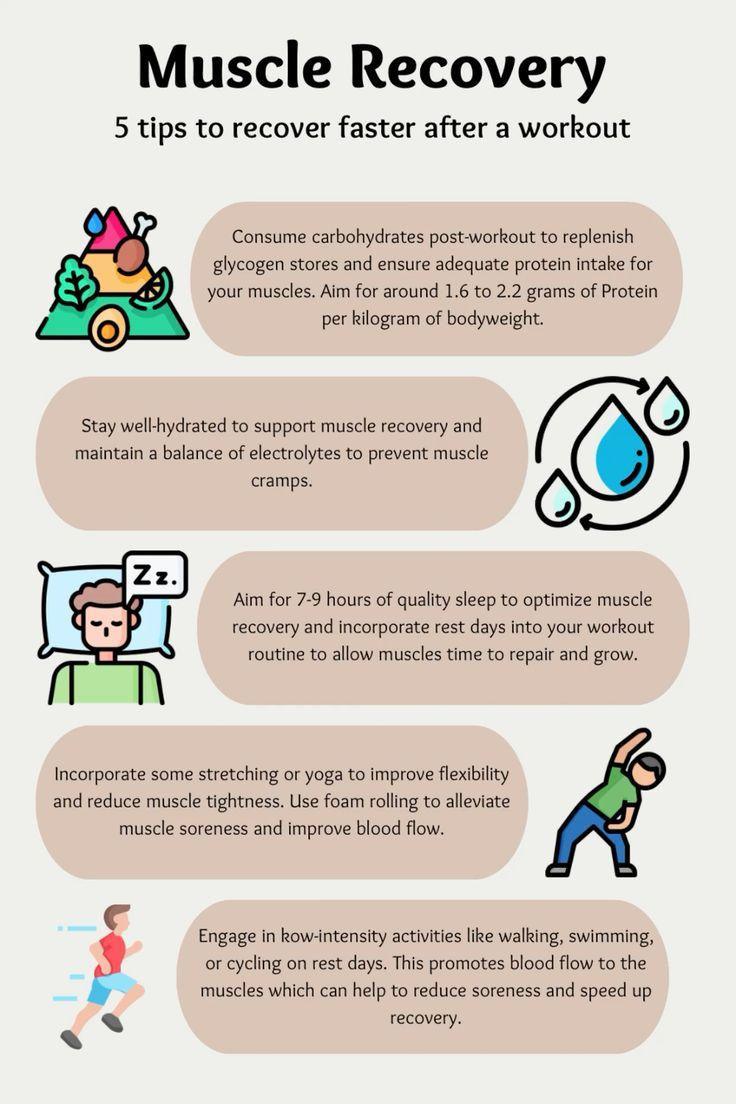
Sleep and Injury Prevention
One of the most overlooked benefits of sleep is injury prevention.
Research has shown that athletes sleeping fewer than six hours per night experience significantly higher injury rates.
Sleep deprivation can impair:
Reaction time
Balance
Coordination
Pain tolerance
Neuromuscular control
In collegiate athletes, sleeping less than seven hours per night nearly doubled injury risk compared to athletes who slept more than eight hours.
Poor sleep doesn't simply make you tired.
It makes you vulnerable.
Sleep and Brain Performance
Athletic performance isn't only physical.
Every sport requires:
Decision making
Attention
Strategic thinking
Learning
Sleep plays a critical role in all of these processes.
During sleep, the brain strengthens important memories and removes waste products through the glymphatic system—often described as the brain's cleaning system.
Athletes who consistently obtain adequate sleep demonstrate:
Better learning of movement patterns
Faster processing speed
Improved creativity
Enhanced decision making
Sleep literally helps your brain perform maintenance.
Sleep, Hormones, and Metabolism
Sleep influences many hormones that regulate:
Hunger
Recovery
Stress
Body composition
Poor sleep increases cortisol, commonly known as the stress hormone.
At the same time, inadequate sleep alters levels of:
Leptin (the hormone that signals fullness)
Ghrelin (the hormone that stimulates hunger)
This combination often leads to:
Increased cravings
Greater calorie consumption
Weight gain
Poorer food choices
Sleep is one of the most powerful nutrition tools available.
Sleep and Long-Term Health
Sleep affects much more than athletic performance.
Research links chronic sleep deprivation to:
Type 2 diabetes
Hypertension
Cardiovascular disease
Mood disorders
Increased mortality risk
Individuals who consistently sleep five hours or less per night have significantly higher risks of multiple chronic diseases.
The effects compound over years.
The consequences of poor sleep today may not be fully visible until decades later.
How to Improve Sleep Quality (BodyDashboard System)
1. Keep a Consistent Schedule
Go to bed and wake up at approximately the same time every day.
Consistency strengthens your body's natural circadian rhythm.
2. Create a Sleep-Friendly Environment
Optimize your bedroom:
Cool temperature
Dark room
Minimal noise
Your environment should signal recovery.
3. Limit Screens Before Bed
Avoid screens during the final hour before sleep whenever possible.
Blue light can delay melatonin production and make it harder to fall asleep.
4. Watch Evening Nutrition
Avoid:
Large sugar-heavy meals
Excess caffeine late in the day
Consider protein-rich snacks like Greek yogurt if hungry before bed.
5. Develop a Pre-Sleep Routine
Examples include:
Reading
Stretching
Meditation
Deep breathing
Your body benefits from predictable cues that signal bedtime.
BodyDashboard Insight
Sleep is not the absence of activity.
Sleep is where adaptation, recovery, learning, and performance enhancement occur.
You don't get stronger during training.
You get stronger after training—when you sleep.
Quick Recap
Sleep improves athletic performance
Sleep enhances recovery and muscle repair
Sleep reduces injury risk
Sleep supports cognitive performance
Sleep regulates metabolism and hormones
Sleep influences long-term health and longevity
Final Thoughts
Many people search endlessly for performance-enhancing supplements, advanced training methods, or recovery gadgets.
Yet the most effective performance enhancer remains free.
Sleep.
Before optimizing anything else, optimize your sleep.
Because every system in your body depends on it.
And when sleep improves, almost everything else tends to improve as well.
That's how you upgrade your BodyDashboard.
References
Fong-Isariyawongse, J. (2024, January 31). Sleep can give athletes an edge over competitors—but few recognize how fundamental sleep is to performance. The Conversation. Available at: https://theconversation.com/sleep-can-give-athletes-an-edge-over-competitors-but-few-recognize-how-fundamental-sleep-is-to-performance-221403
Harvard Medical School (HMS). (2021, October 1). Why Sleep Matters: Consequences of Sleep Deficiency. Harvard Medical School Sleep and Health Education Program. Available at: https://sleep.hms.harvard.edu/education-training/public-education/sleep-and-health-education-program/sleep-health-education-45
Hott, E. Athletes: Get Your Sleep! Stanford Lifestyle Medicine. Available at: https://lifestylemedicine.stanford.edu/athletes-get-your-sleep/
Millard, E. (2026, January 12). Why Sleep Is Important for Health and Athletic Performance. Nike Performance & Recovery. Available at: https://www.nike.com/a/why-is-sleep-important
Rantala, A. (2023, December 18). Sleep Your Way to Better Athletic Performance. Mayo Clinic Health System. Available at: https://www.mayoclinichealthsystem.org/hometown-health/speaking-of-health/sleep-and-athletic-performance
Related BodyDashboard Articles
What Is VO₂ Max? Why It Matters for Your Energy, Performance, and Health
Why You're Always Tired (Even After Sleeping 8 Hours)
How to Recover Faster After Workouts (10-Minute Reset System)(coming soon)
Are Electrolytes Actually Worth It?(coming soon)
How to Build the Perfect Night Routine for Energy and Recovery(coming soon)
About BodyDashboard
Understand your body. Improve your performance.
BodyDashboard is a science-based platform exploring how sleep, nutrition, exercise, recovery, and physiology shape everything from daily performance to long-term health.
Built for student-athletes, fitness enthusiasts, and anyone curious about how the body actually works, BodyDashboard connects physiology research to practical, everyday decisions—helping readers improve energy, recovery, endurance, focus, and overall performance through simple, evidence-based systems.
From VO₂ max and cardiovascular fitness to sleep quality, hydration, recovery tools, and human performance, BodyDashboard breaks down complex health and fitness science into clear, actionable insights that can be applied in real life.
Whether you are:
training for a sport,
balancing school and workouts,
optimizing health and longevity,
or simply trying to feel and perform better each day
BodyDashboard helps you learn how your body functions—and how to improve it.
Because better performance starts with understanding the system behind it.


Comments